
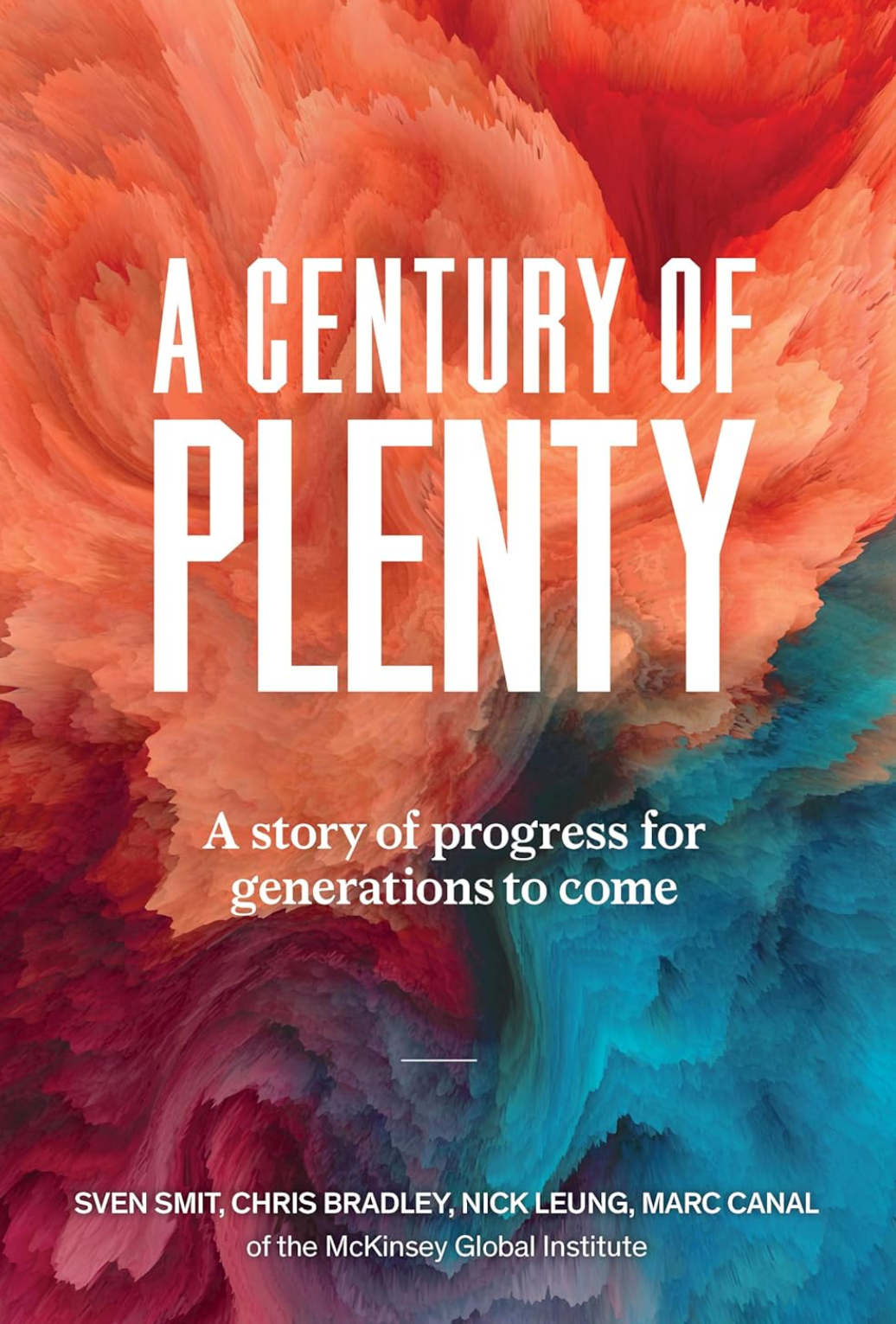
A Century of Plenty
““We do not see physical limits on growth, only limits in hearts and minds.”
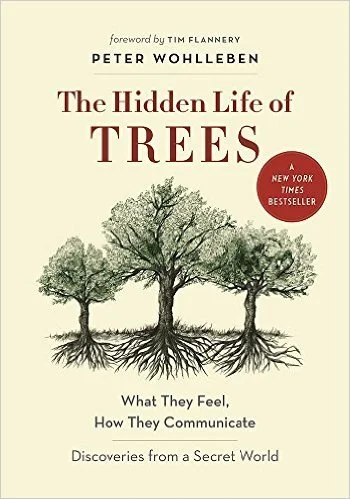
The Hidden Life of Trees
“A tree is not a forest. On its own, a tree cannot establish a consistent local climate. It is at the mercy of wind and weather. But together, many trees create an ecosystem that moderates extremes of heat and cold, stores a great deal of water, and generates a great deal of humidity. And in this protected environment, trees can live to be very old. To get to this point, the community must remain intact no matter what.”
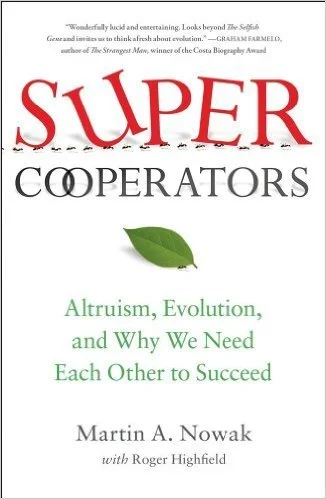
SuperCooperators
“Punishment can be useful in the short term, but in the long run it is better to reward cooperation than to punish defection. Rewards encourage people to cooperate more, while punishment can lead to resentment and retaliation.”
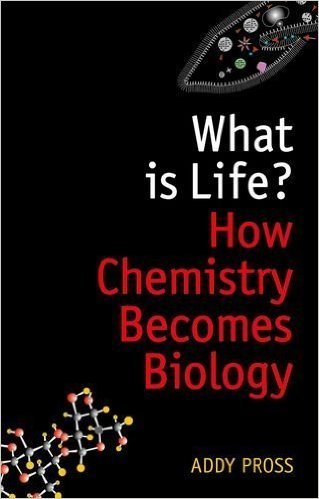
What is Life? How Chemistry Becomes Biology
"Life is simply a particular state of organized instability."
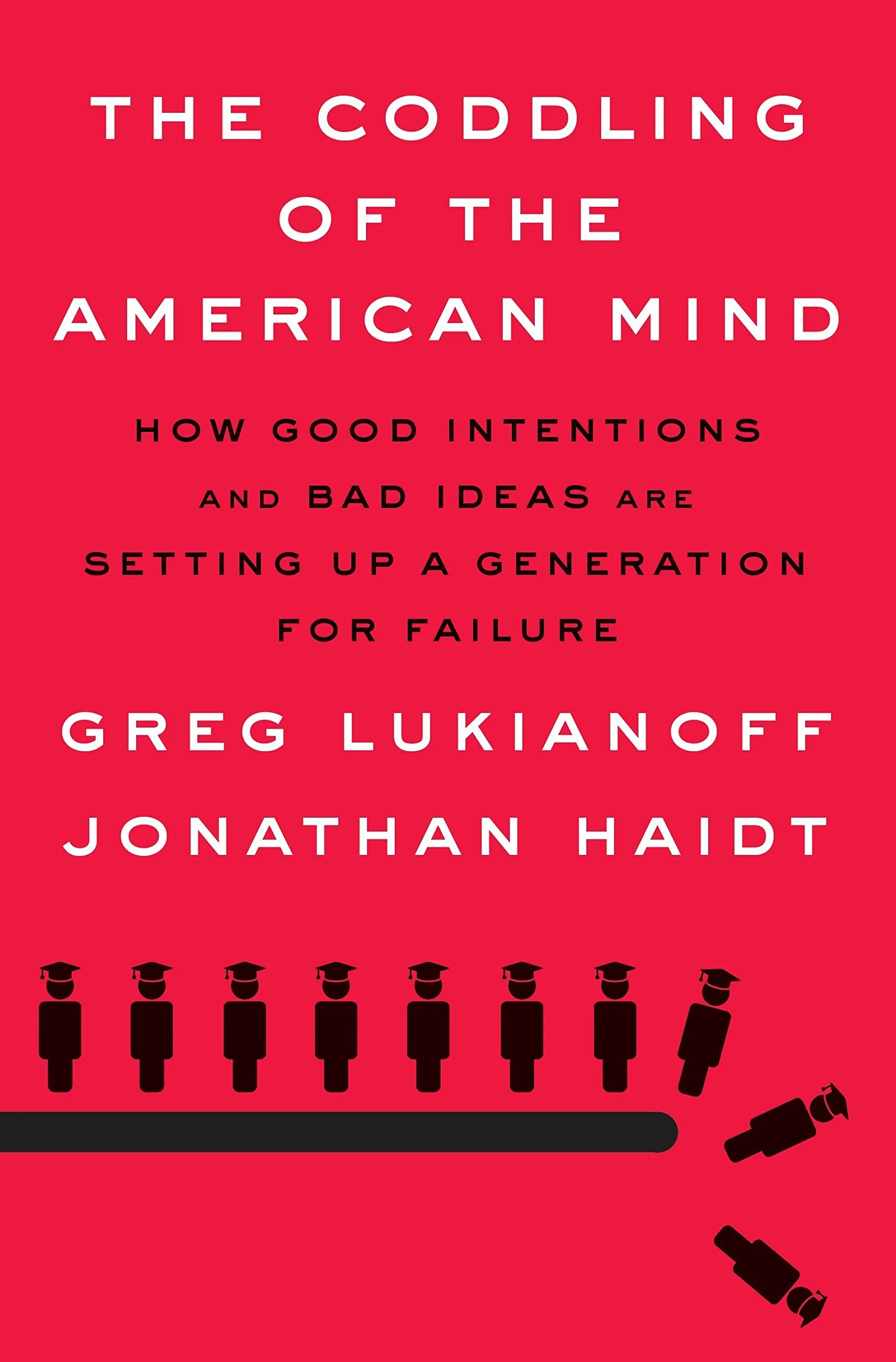
The Coddling of the American Mind
“A culture that allows the concept of ‘safety’ to creep so far that it equates emotional discomfort with physical danger is a culture that encourages people to systematically protect one another from the very experiences embedded in daily life that they need in order to become strong and healthy.”
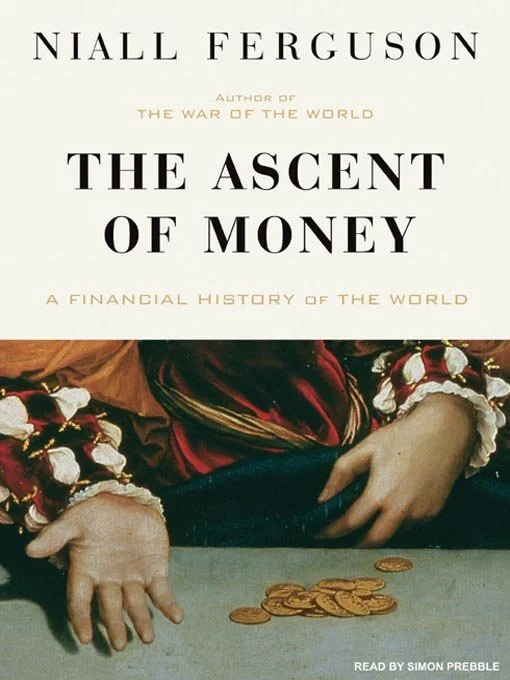
The Ascent of Money
"The ascent of money has been essential to the ascent of man. Far from being the work of mere leeches intent on sucking the life's blood out of indebted families or gambling with the savings of widows and orphans, financial innovation has been an indispensable factor in man's advance from wretched subsistence to the giddy heights of material prosperity."

Becoming a Top Manager
"In Becoming a Top Manager, Kaiser, Pich and Schecter skilfully and cleverly address the three vital pieces of this transformation: managing the business, managing others, and, most important of all, managing oneself. You will not read a book that addresses the transition to general management in a more astute and engaging way." —Ricardo Ferrero, Global Marketing Lead, Baker Hughes
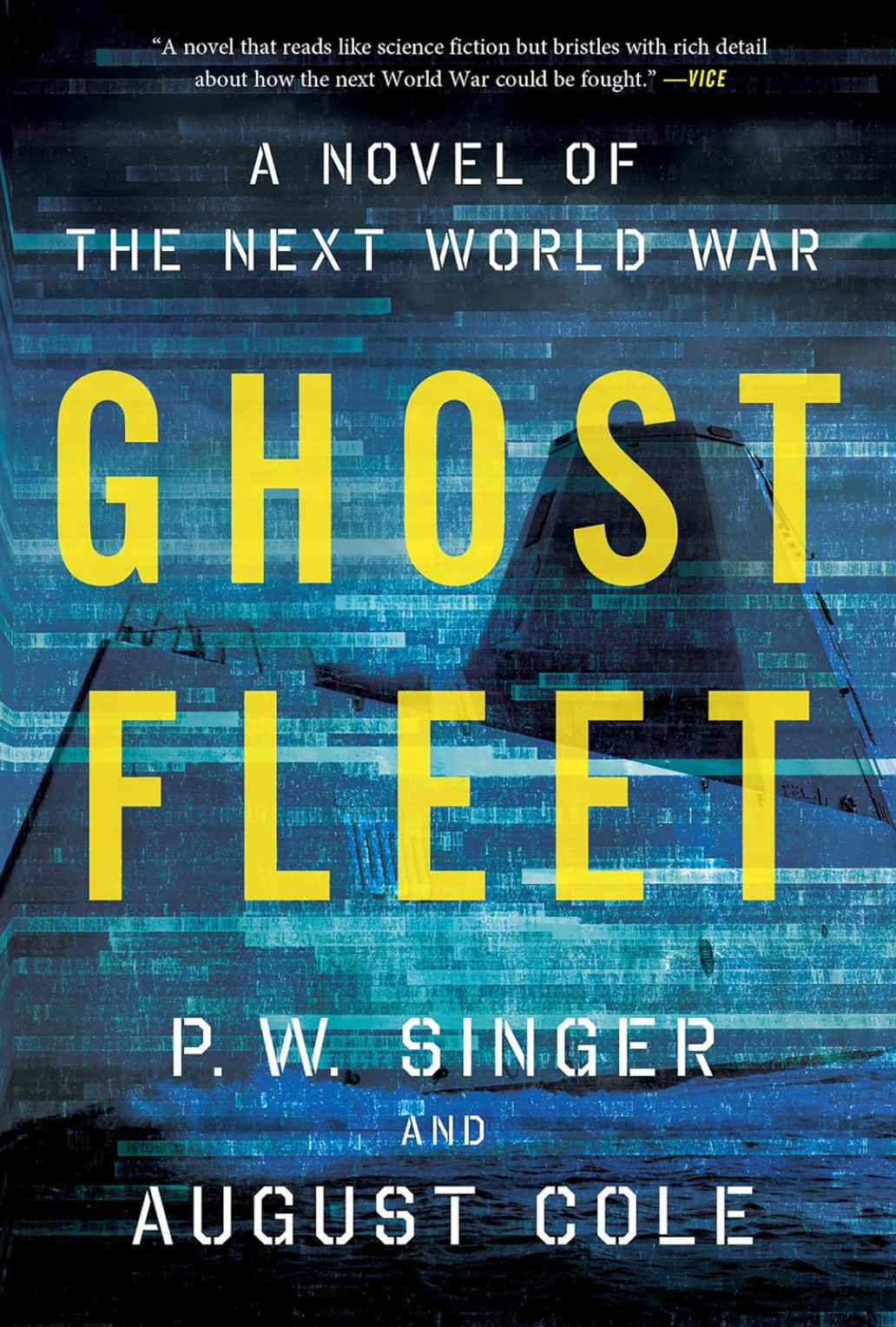
Ghost Fleet: A Novel of the NExt World War
"The war had begun not with a bang but with a blackout. And in that darkness, America discovered just how dependent it had become on the very things that now betrayed it."
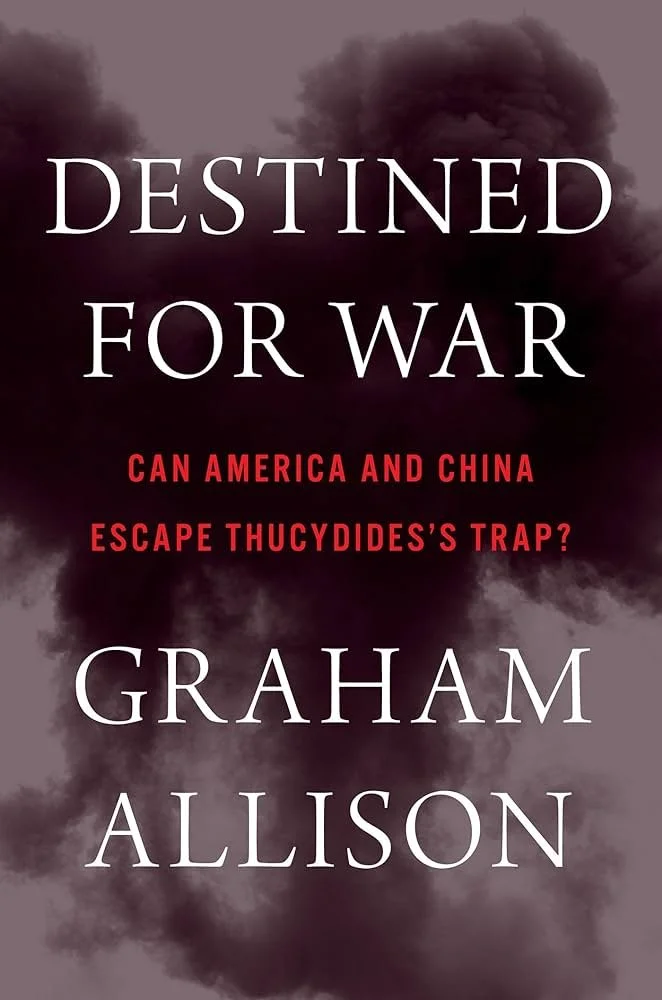
Destined for War
"When a rising power threatens to displace a ruling power, alarm bells should sound: danger ahead. China and the United States are currently on a collision course for war—unless both parties take difficult and painful actions to avert it."
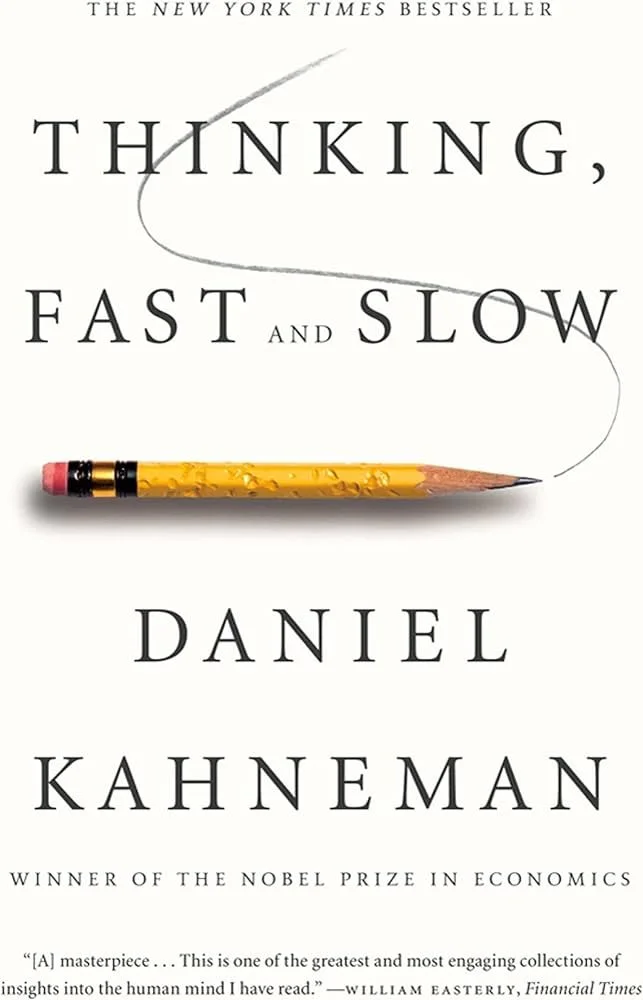
Thinking, Fast and Slow
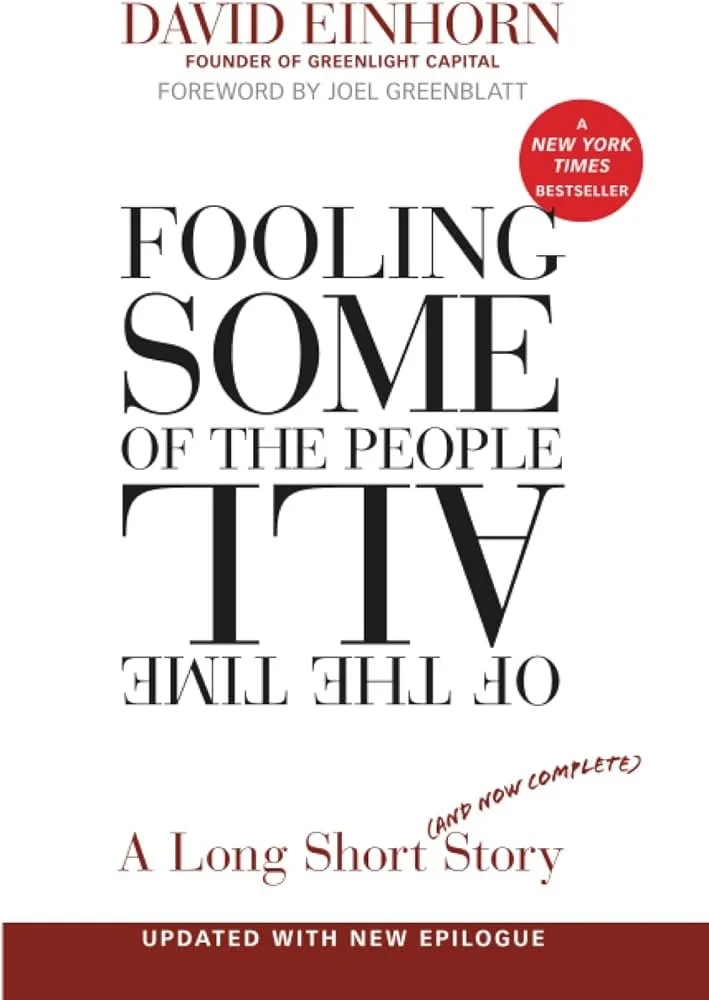
"Everything makes sense in hindsight, a fact that financial pundits exploit every evening as they offer convincing accounts of the day’s events. We cannot suppress the powerful intuition that what makes sense in hindsight today was actually predictable yesterday. The illusion that we understand the past fosters overconfidence in our ability to predict the future. Our tendency to construct and believe coherent narratives of the past makes it difficult for us to accept the limits of our forecasting ability and the role of luck in outcomes. We are prone to blame decision-makers for good decisions that worked out badly and to give them too little credit for successful moves that appeared obvious only after the fact. This is the essence of outcome bias."
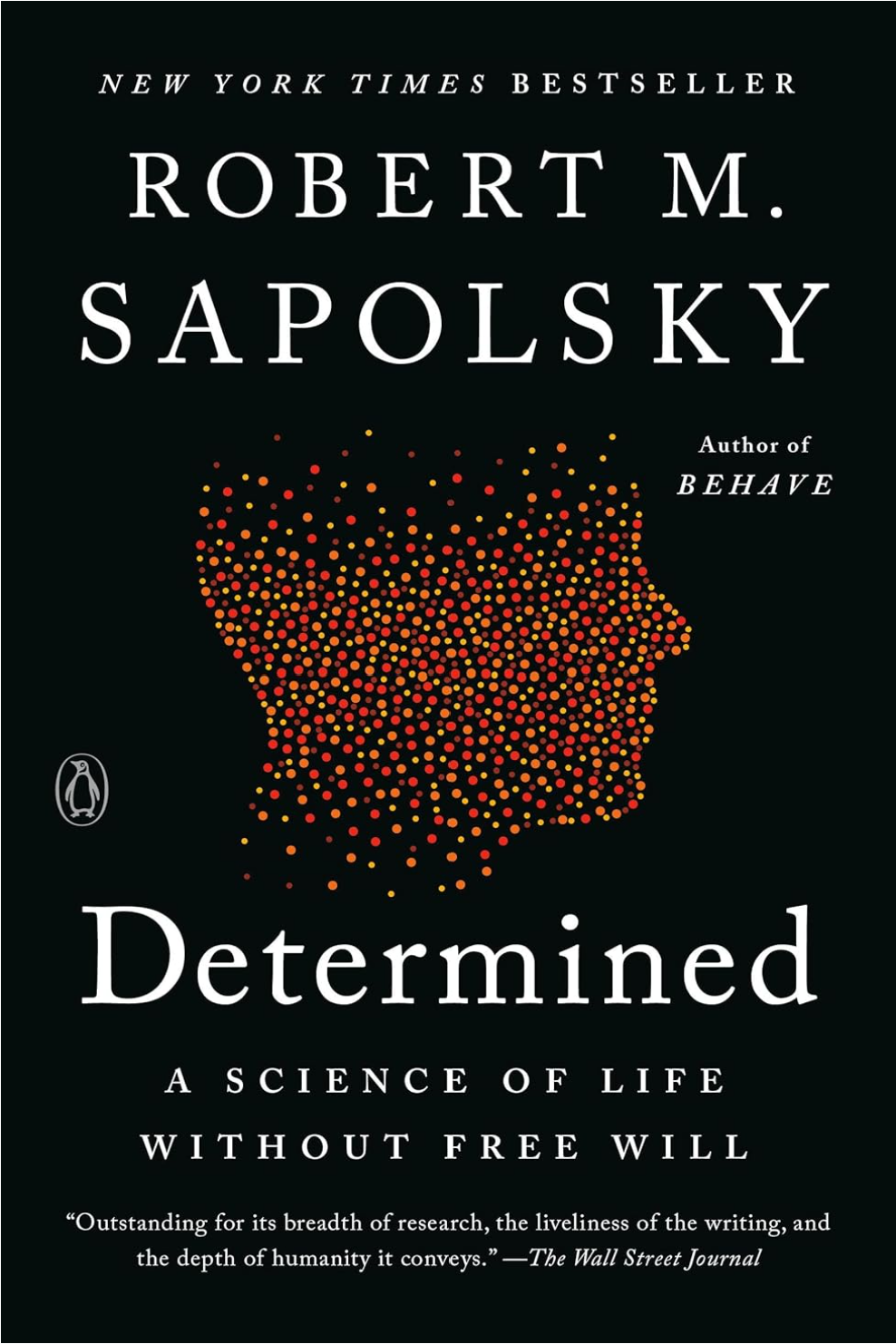
Determined
"We are the sum of what is happenstance—biological and environmental—over which we had no control. Every moment in our lives is the result of the biology that came just before it, and the environment that shaped that biology. There is no 'extra' bit of us that sits outside the laws of physics and biology to make a 'free' choice. Recognizing this doesn't mean life has no meaning; it means we can finally stop judging people—and ourselves—for things that were ultimately determined by forces we didn't choose."
Superforecasting
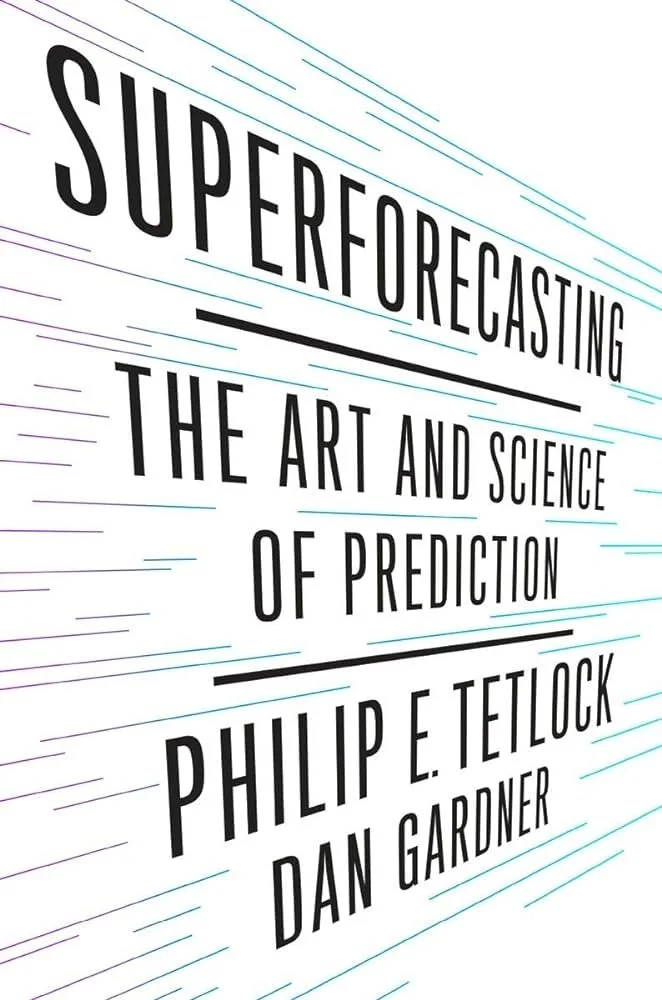
"The core of the problem is that we live in a world that is obsessed with outcomes but indifferent to the process that produced them. If we want to improve our judgment, we must focus on the process. We must recognize that a single forecast is just a data point in a long series. To be a superforecaster, you must be 'well-calibrated.' You must ensure that when you say there is a 70% chance of something happening, it actually happens 70% of the time. This requires a 'probabilistic' habit of mind—the willingness to see the world not as a series of certainties, but as a series of probabilities."
The Undoing Project
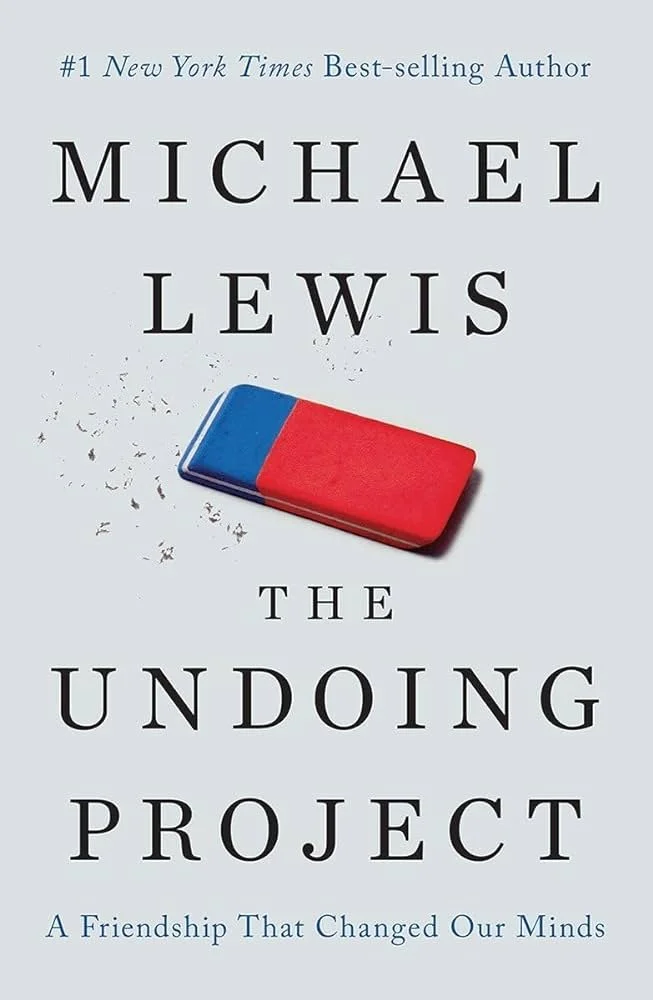
"Man is a deterministic device thrown into a probabilistic universe. In this universe, events do not happen because they were meant to happen. They happen because of a long chain of prior events, many of which were themselves random. The human mind is not built to see this. It is built to see stories. It is built to see cause and effect. And because it cannot see the role of luck, it judges decisions by their results. It treats a good outcome as evidence of a good decision and a bad outcome as evidence of a bad decision. This is a mistake."
Principles of Corporate Finance
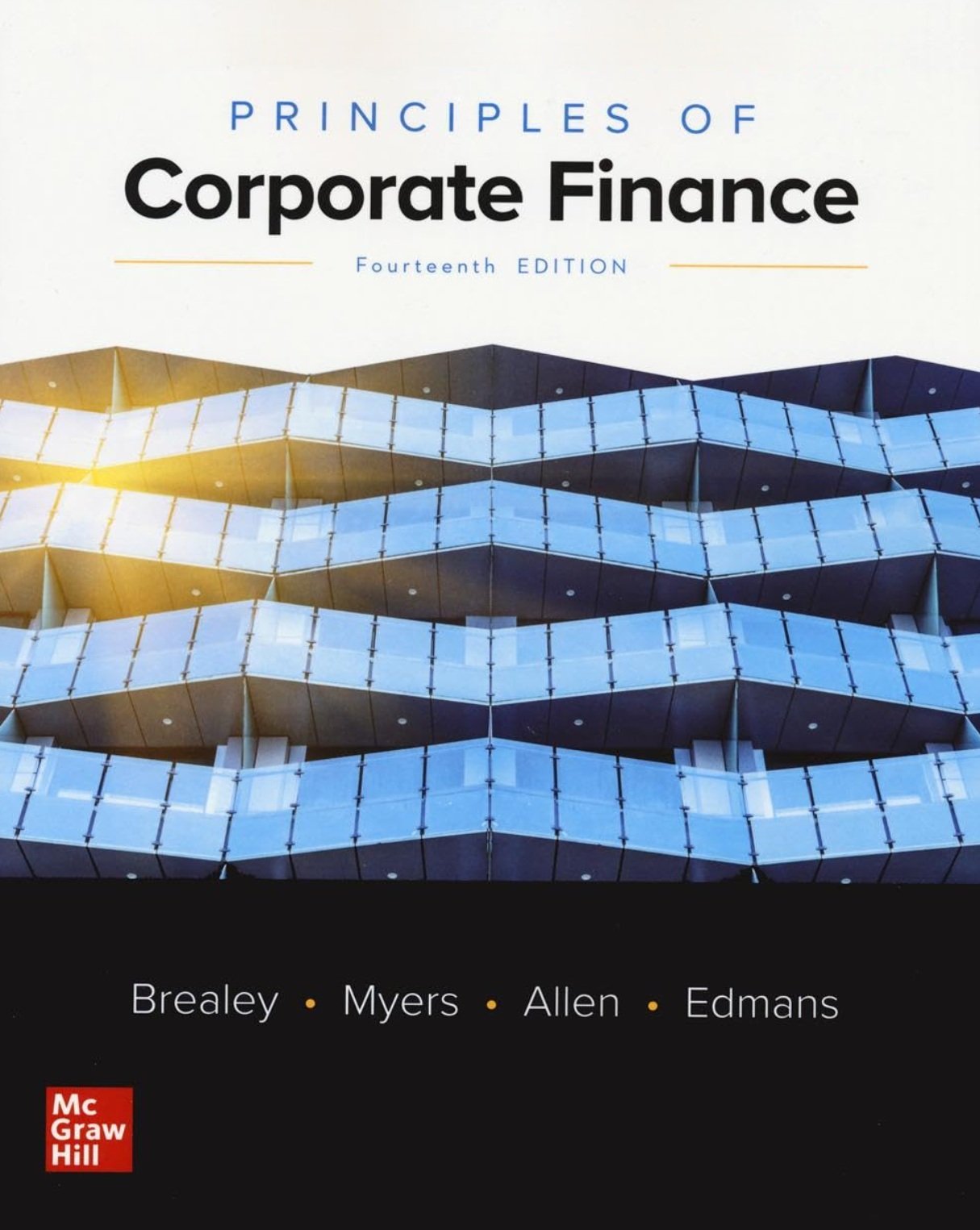
"The first point to remember is that NPV depends on future cash flows. Cash flow is a simple concept. It is just the difference between dollars received and dollars paid out. Many people nevertheless confuse cash flow with accounting profits. Accountants start with cash flow, but then they add and subtract various items to produce 'profit.' They do this to provide a better measure of the performance of the firm as a going concern. But for the financial manager, the task is to find the value of the project. And that value depends on the net cash flow."
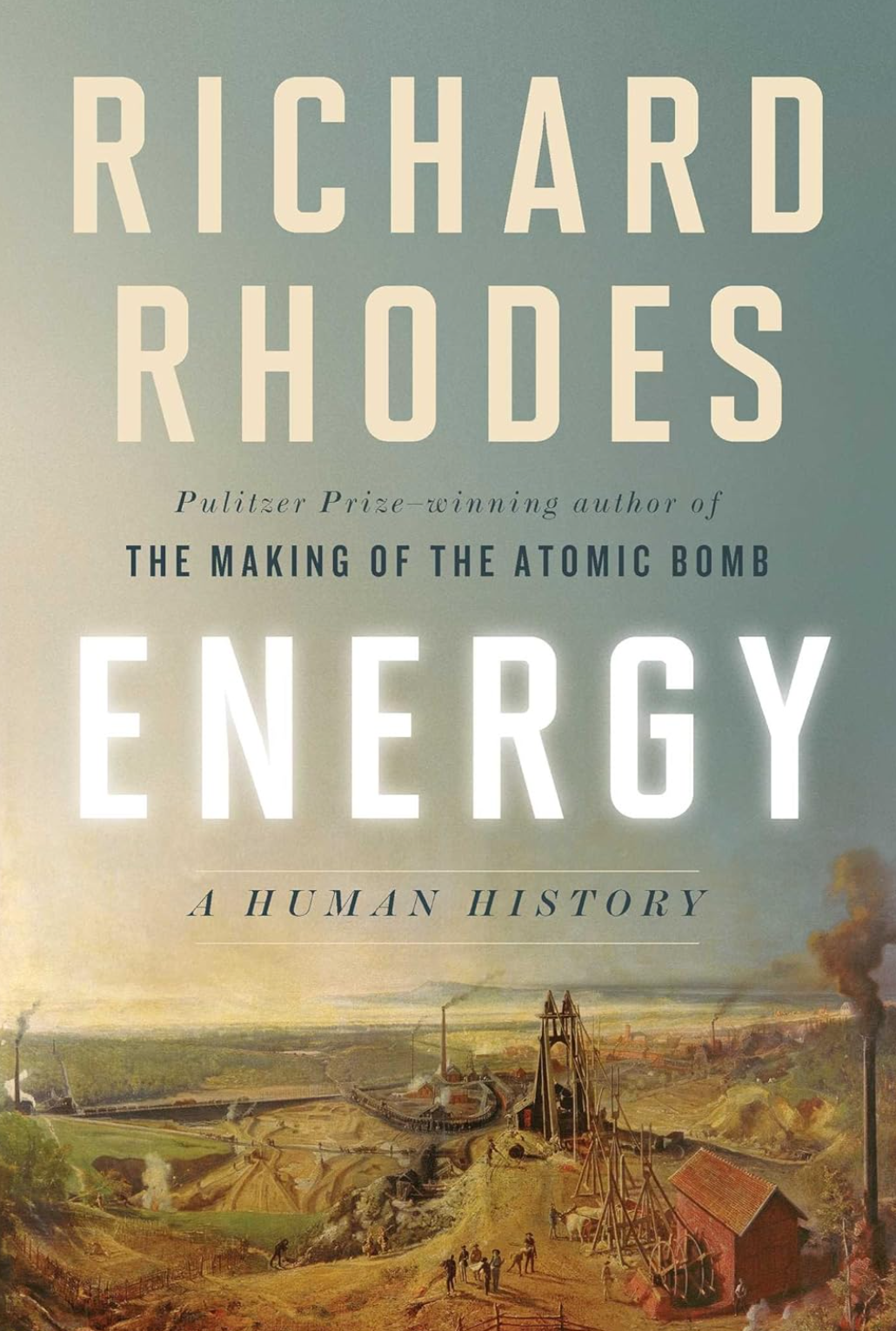
Energy
This book takes us on a journey through human ingenuity and development as we transitioned from one fuel source to another in our need for energy to support daily life. New energy sources do not instantly replace old ones. They coexist for long periods, often for 50–100 years, as infrastructure, habits, capital investment, and political systems adapt. Rhodes shows this pattern repeating with coal overtaking wood, oil overtaking coal, and now renewables gradually displacing fossil fuels.
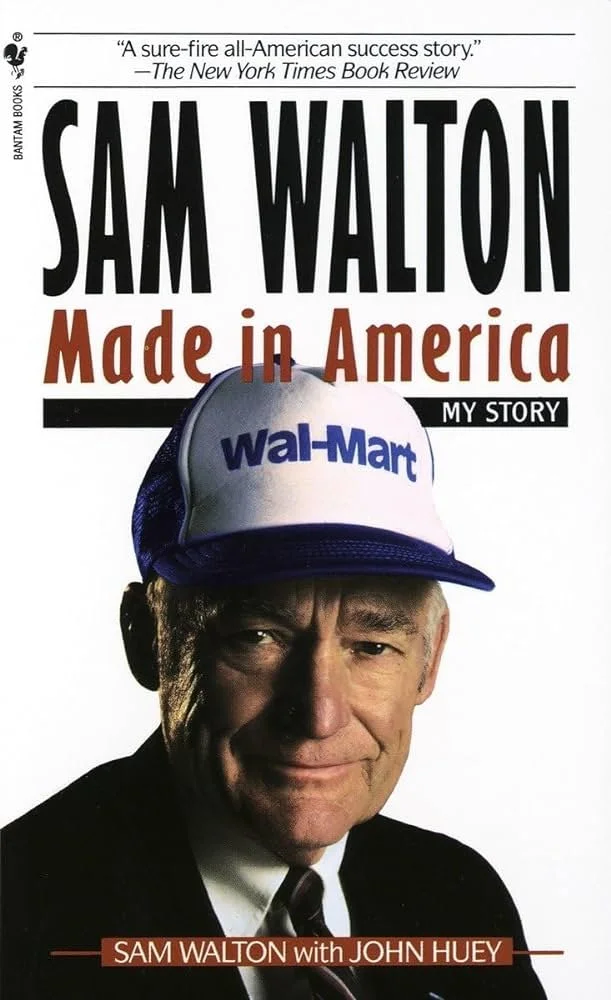
Made in America
The book is a classic rags-to-riches tale emphasizing grit, risk-taking, believing in your vision even when others doubt it, and long-term compounding. As Sam Walton tells the story of Walmart, it is clear that success didn't come overnight—Walmart was a slow build over decades, starting small and scaling through discipline, trusting in people, and a focus on customers, and an appreciation for the critical role of each and every employee.
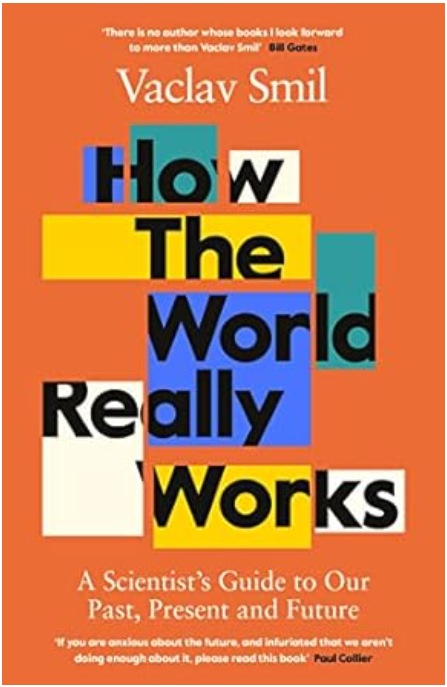
How the world really works
The book is relatively short (~300 pages), packed with stats and calculations, and written in clear (if occasionally blunt/sardonic) prose. It's an antidote to both climate denial and overly rosy green-transition narratives. It provides Vaclav’s grounded, quantitative thinking about energy, food, materials, and sustainability. Everyone needs to read this book.