
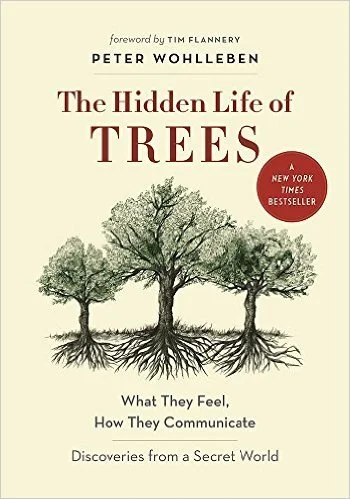
The Hidden Life of Trees
“A tree is not a forest. On its own, a tree cannot establish a consistent local climate. It is at the mercy of wind and weather. But together, many trees create an ecosystem that moderates extremes of heat and cold, stores a great deal of water, and generates a great deal of humidity. And in this protected environment, trees can live to be very old. To get to this point, the community must remain intact no matter what.”
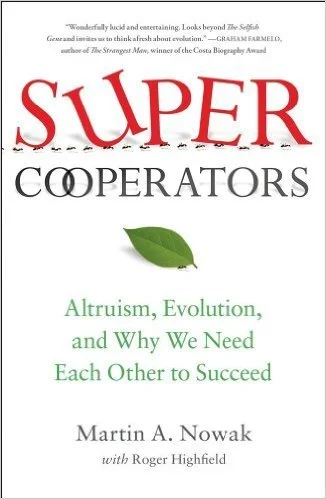
SuperCooperators
“Punishment can be useful in the short term, but in the long run it is better to reward cooperation than to punish defection. Rewards encourage people to cooperate more, while punishment can lead to resentment and retaliation.”
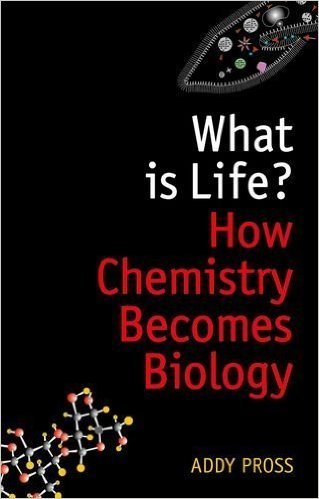
What is Life? How Chemistry Becomes Biology
"Life is simply a particular state of organized instability."
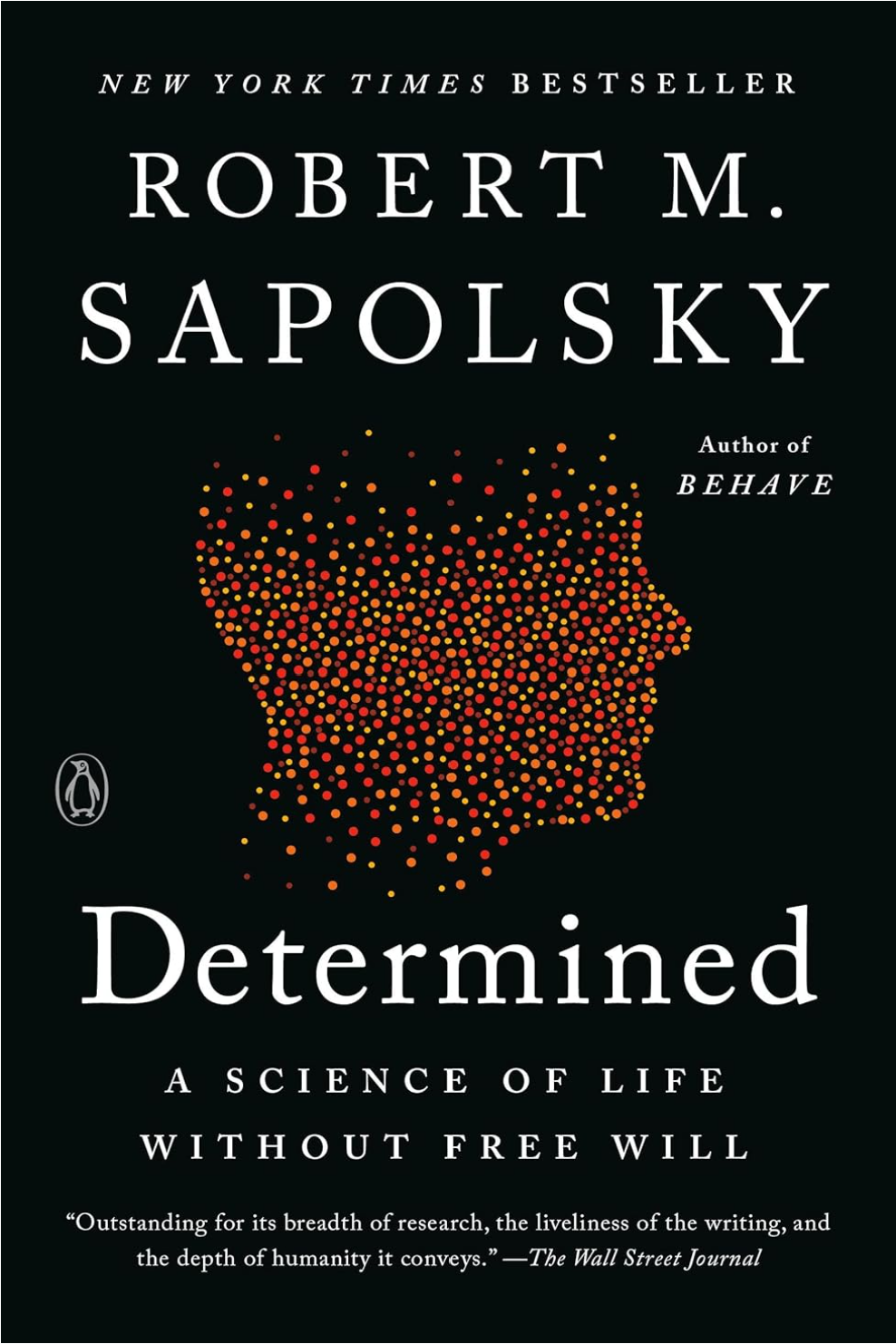
Determined
"We are the sum of what is happenstance—biological and environmental—over which we had no control. Every moment in our lives is the result of the biology that came just before it, and the environment that shaped that biology. There is no 'extra' bit of us that sits outside the laws of physics and biology to make a 'free' choice. Recognizing this doesn't mean life has no meaning; it means we can finally stop judging people—and ourselves—for things that were ultimately determined by forces we didn't choose."
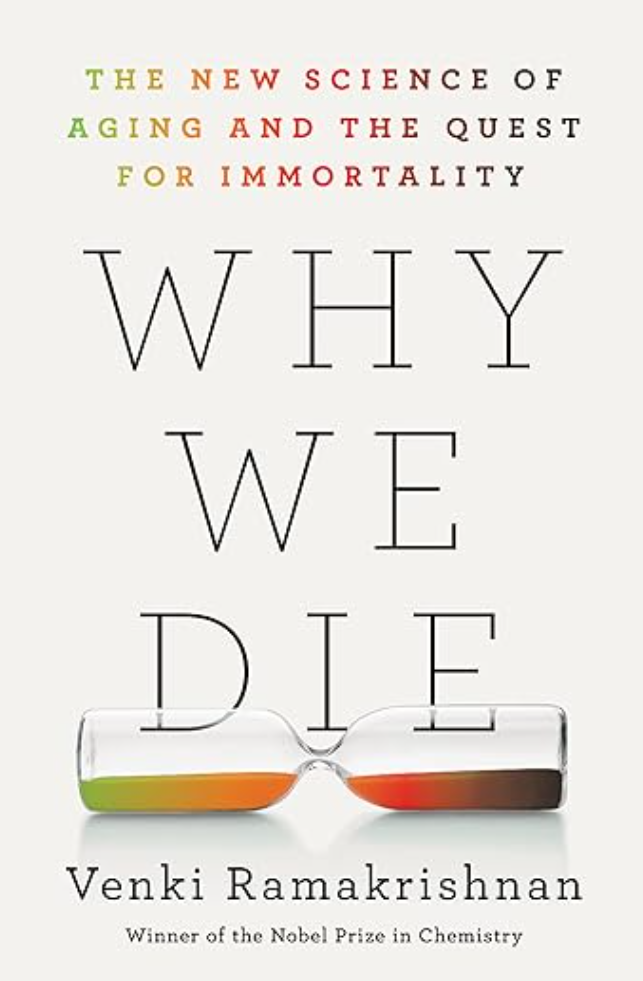
Why We Die
When we think of death, we are generally thinking about our own: the end of our conscious existence as an individual. There is a stark paradox about that kind of death: although individuals die, life itself continues. I don’t mean just in the sense that our family, community, and society will all go on without us. Rather, it is remarkable that every creature alive today is a direct descendant of an ancestral cell that existed billions of years ago. So, although changing and evolving with time, some essence in all of us has lived continuously for a few billion years. That will continue to be true for every living thing for as long as life survives on Earth, unless we one day create an entirely artificial form of life.
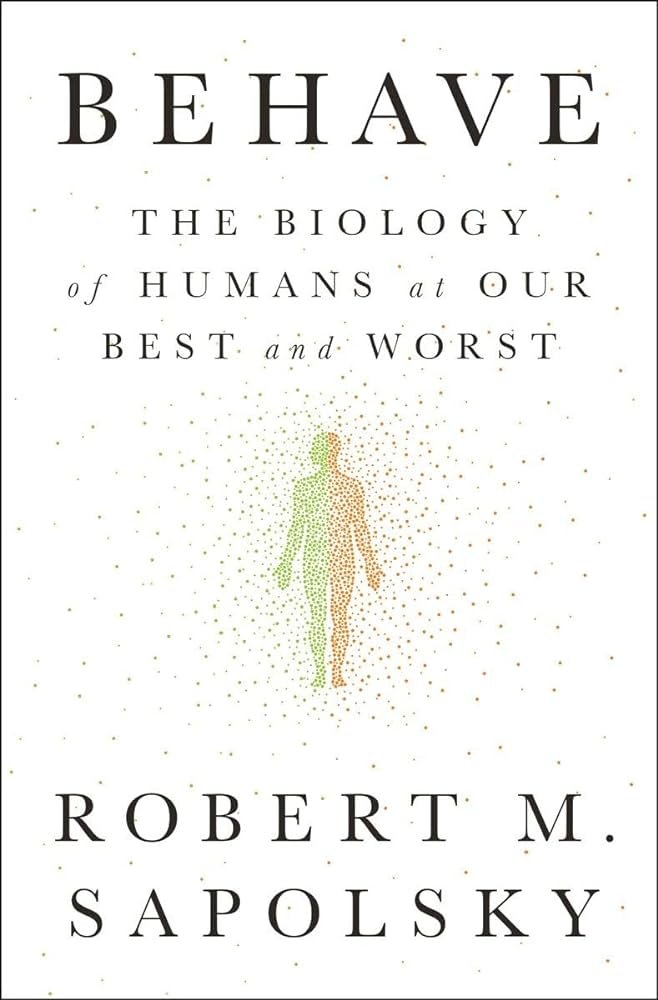
Behave
First, you can’t begin to understand things like aggression, competition, cooperation, and empathy without biology; I say this for the benefit of a certain breed of social scientist who finds biology to be irrelevant and a bit ideologically suspect when thinking about human social behavior. But just as important, second, you’re just as much up the creek if you rely only on biology; this is said for the benefit of a style of molecular fundamentalist who believes that the social sciences are destined to be consumed by “real” science. And as a third point, by the time you finish this book, you’ll see that it actually makes no sense to distinguish between aspects of a behavior that are “biological” and those that would be described as, say, “psychological” or “cultural.” Utterly intertwined.